The Relationship Lifecycle: From First Meeting to Trusted Partner
Every relationship follows a journey, from awareness through trust building to collaboration. Understanding the lifecycle helps you act at the right time.
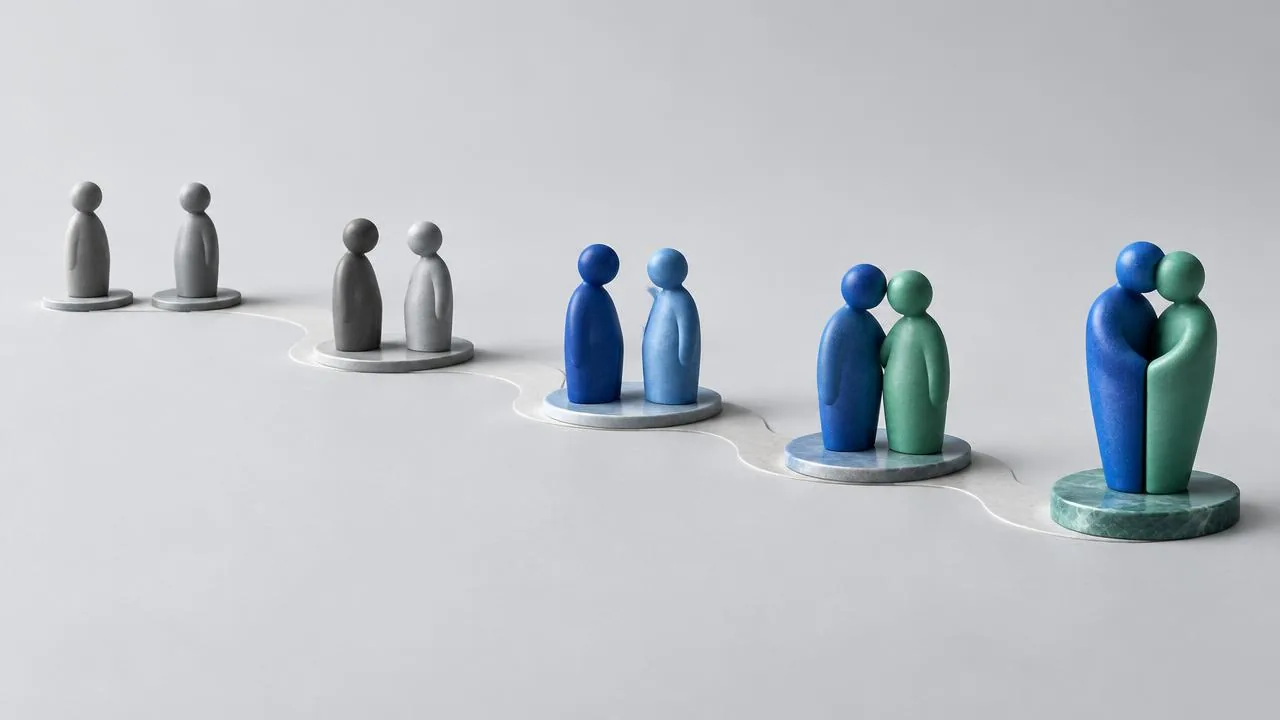
Every relationship follows a journey. It begins with awareness and progresses through engagement. Eventually, it can develop into a true partnership. Understanding this lifecycle helps professionals invest the right effort at the right time.
The relationship lifecycle describes the distinct stages a professional connection goes through, from the first meeting to becoming a trusted partner. Understanding this progression helps you nurture relationships effectively. It provides a clear roadmap for building strong, lasting connections in business and beyond.
The relationship lifecycle is a model that outlines the predictable phases of professional and personal connections. This framework helps you identify where a relationship stands. It also suggests what actions will move it forward. Relationships rarely advance on their own. They require intentional and consistent effort.
What Are the Stages of the Relationship Lifecycle?
The journey from a new contact to a strong advocate follows a general path. While every relationship is unique, most pass through these six key stages.
1. Introduction
This is the very first point of contact. The goal is simple: make a connection and establish initial awareness. Introductions can happen anywhere. You might meet someone at a conference, get an email introduction, or connect on social media. The key action is to make a positive first impression.
- Example: You connect with a potential client on LinkedIn after seeing their post. Your connection request includes a short, personalized message.
2. Discovery
After the introduction, the discovery phase begins. Here, you learn more about the other person. What are their goals? What challenges do they face? This stage is about asking thoughtful questions and listening carefully. It is not about selling. The goal is to understand their world.
- Example: You have a brief coffee meeting. You ask open-ended questions like, "What's the biggest challenge your team is facing this quarter?"
3. Engagement
Engagement is about creating a two-way dialogue. You move from just learning about them to actively interacting. This involves sharing valuable information or insights. It shows you were listening during the discovery phase. You prove you understand their needs by offering relevant help.
- Example: A week after your coffee meeting, you email them a link to an article about a challenge they mentioned. You add a short note like, "I saw this and thought of our conversation."
4. Trust Building
This is the most critical stage. Trust is the foundation of any strong partnership. It is built through consistency, reliability, and integrity. You build trust by delivering on promises, being transparent, and acting in their best interest. This stage often takes the most time.
- Example: You offer to help with a small, low-risk task and complete it ahead of schedule. Or you admit when you don't know an answer but connect them with someone who does.
5. Collaboration
Once trust is established, you can begin working together. Collaboration starts with small, well-defined projects. Success in these initial efforts builds confidence. It paves the way for larger, more significant partnerships. This is where mutual value is created and demonstrated.
- Example: You co-host a webinar, work together on a client proposal, or start a small pilot project. The focus is on achieving a shared goal.
6. Advocacy
Advocacy is the ultimate stage of a professional relationship. An advocate is someone who actively promotes you and your work without being asked. They refer new clients, provide glowing testimonials, and speak highly of you to others. They have become a true partner invested in your success.
- Example: A former client hears of a new opportunity and immediately recommends you for it. They act as a powerful reference, helping you win the business.
Why Does Understanding the Lifecycle Matter?
Mapping your relationships to this lifecycle provides incredible clarity. It helps you avoid common mistakes and focus your energy where it will have the most impact.
First, it prevents you from moving too fast. Asking for a major commitment during the introduction stage is a recipe for failure. Understanding the need for discovery and trust-building encourages patience.
Second, it helps you diagnose stalled relationships. If a connection isn't progressing, you can identify the stage where it got stuck. Perhaps you skipped the trust-building phase and tried to jump straight to collaboration.
Finally, it makes your relationship-building efforts more efficient. You can apply the right action at the right time. This intentional approach is far more effective than random check-ins.
How Can You Apply the Relationship Lifecycle?
You can put this model into practice immediately. Follow these simple steps to manage your professional network more effectively.
-
Map Your Key Contacts: Make a list of your most important professional contacts. For each person, identify which of the six stages best describes your current relationship. Be honest in your assessment.
-
Identify the Next Step: Look at each contact's current stage. What is the one logical action you could take to move the relationship to the next stage?
- For an Introduction, the next step might be scheduling a short call (Discovery).
- For a Discovery contact, it could be sending a helpful resource (Engagement).
- For an Engagement contact, it might be offering to help with a small task (Trust Building).
-
Take Intentional Action: Schedule these next steps in your calendar. Don't just think about them—do them. Send the email, make the call, or schedule the meeting. Consistent action is what drives relationships forward.
-
Listen and Adapt: Pay close attention to how the other person responds. Their reaction gives you valuable feedback. If they seem hesitant, you may need to spend more time in the current stage before trying to advance again.
How Can Technology Help Manage Relationships?
Tracking the lifecycle stage for dozens or hundreds of contacts is challenging. It's easy to lose track of who you've spoken to and what you discussed. This is where technology can provide a major advantage.
A Relationship Operating System helps users understand where each relationship exists. It shows you what actions may help advance it. Tools designed for relationship management can remove the guesswork. Simple CRM AI shows you each connection's stage. It also recommends the next step to move it toward trusted partnership. By centralizing this information, you can manage your entire network with purpose and clarity.
Key takeaways
- Relationships develop through predictable stages, from introduction to advocacy.
- Each stage requires different actions to nurture the connection.
- Building trust is a critical phase that cannot be rushed or skipped.
- Intentional effort is necessary to move a relationship forward.
- Technology can help you track and manage your relationships at scale.
FAQ
Does every relationship follow these exact stages?
No, this is a flexible model, not a rigid rule. Some relationships might skip a stage or blend two stages together. For example, a strong referral might move you almost directly to the trust-building stage. The lifecycle is a guide to help you think intentionally about relationship development.
How long does each stage take?
The duration of each stage varies dramatically. It depends on the industry, the individuals involved, and the context of the relationship. Some connections might move from introduction to collaboration in a few weeks. Others might take years to build deep trust. The key is to be patient and focus on taking the right next step, not on speed.
Can a relationship move backward in the lifecycle?
Absolutely. A relationship can regress if trust is broken or if contact ceases for a long time. For example, a major mistake on a project could move a relationship from "Collaboration" all the way back to "Discovery" or "Trust Building." Relationships require ongoing maintenance to remain strong.
Related articles
Try Simple CRM AI free
A dedicated AI agent for every client — follow-ups, reminders, and insights handled for you.
Start Free Trial