How Successful Founders Manage Hundreds of Relationships Without Losing Track
Founders operate in relationship-rich environments. The most successful ones do not rely on memory. They rely on systems that scale with their networks.
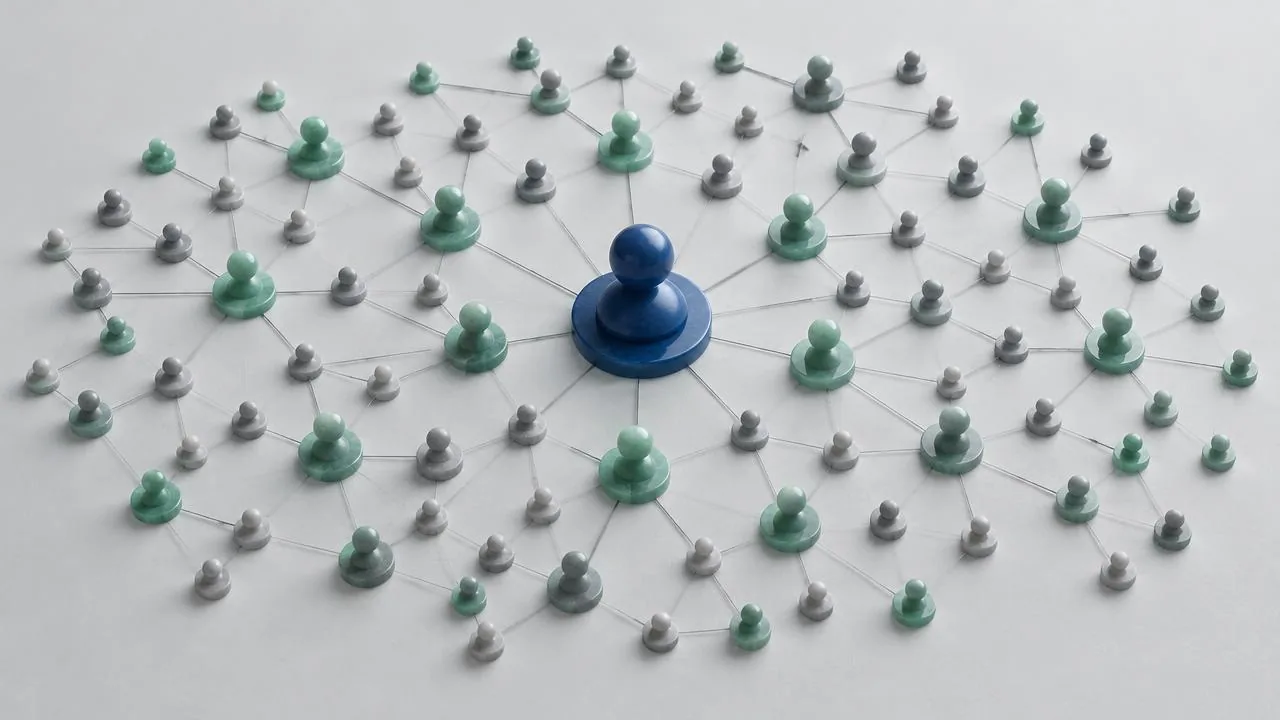
Founders operate in relationship-rich environments. Customers, investors, employees, advisors, partners, vendors, and community members all compete for attention.
Successful founders manage hundreds of relationships by using a dedicated system instead of relying on memory. They methodically track interactions, schedule follow-ups, and prioritize their network to ensure no valuable connection is lost. This systematic approach turns their network into a durable asset.
A personal CRM is a system for managing your professional and personal relationships. It acts as a single source of truth for every person you know.
Why is memory a failing strategy for founders?
The most successful founders do not rely on memory. They rely on systems. Your brain is for having ideas, not for holding them. Relying on it to store every important detail about your network is a path to failure.
The sheer volume of contacts is overwhelming. A typical founder interacts with dozens of people every day. Remembering key details from each conversation is impossible. Important context gets lost over time. You might forget a key pain point a customer mentioned. You might misremember an investor's portfolio focus.
This "context decay" weakens your relationships. People want to feel remembered and understood. When you forget crucial details, you send an unintentional message that you don't value the connection. Missed opportunities are the biggest cost. The introduction you forgot to ask for or the investor you failed to follow up with could have changed your company's trajectory.
How can a system improve relationship management?
A system externalizes the work of remembering. It allows you to focus on building genuine connections. A robust relationship system provides a centralized place to track interactions. It helps you identify neglected connections and prioritize outreach.
This concept is often called a Relationship OS. It provides a complete view of your network. A good system is built on a few core pillars:
- A Central Database: All your contacts from email, LinkedIn, and your phone live in one place.
- Rich Contact Profiles: Go beyond a name and email. Store notes about their role, interests, family, and communication style.
- Interaction History: Log every meeting, call, and significant email thread. This creates a timeline of your relationship.
- Clear Next Steps: Every important contact should have a future action tied to them. This could be a follow-up, an introduction, or a simple check-in.
By using a system, you ensure that every interaction has a purpose. You can confidently navigate your network, knowing you have the right information at your fingertips.
What are the practical steps to build your system?
Building a relationship management habit is more important than choosing the perfect tool. You can start today with simple, consistent actions.
Step 1: Choose Your Core Tool
You need one place where all relationship data will live. This could be a simple spreadsheet, a notes app, or a dedicated personal CRM. The key is to pick one and stick with it. Don't let the search for a perfect tool stop you from starting.
Step 2: Centralize Your Contacts
Gather your contacts from all sources. Export connections from LinkedIn. Sync your Google or Outlook contacts. Consolidate them into your chosen system. This initial effort creates the foundation for your network database.
Step 3: Develop a Note-Taking Habit
After any significant interaction, take two minutes to log what happened. Create a simple template to make this easy.
Example Note:
- Date: October 26, 2023
- Context: Met at "SaaS Founders Meetup."
- Key Points: She is a VP of Marketing struggling with lead attribution. Her team is growing fast.
- Personal Details: Mentioned she's training for a marathon. Loves dogs.
- Next Step: Send her the article on marketing attribution I mentioned. Follow up in 2 weeks to check in.
Step 4: Schedule Proactive Follow-ups
Don't wait for a reason to get in touch. Set reminders to reconnect with people. A simple schedule might look like this:
- Tier 1 (Investors, top customers): Follow up every 30 days.
- Tier 2 (Advisors, key partners): Follow up every 60 days.
- Tier 3 (Wider network): Follow up every 90-180 days.
A simple "thinking of you" message or a relevant article is often enough to keep the connection warm.
How do you build a system that scales?
As organizations grow, relationship complexity increases exponentially. The founder's network expands to include more employees, bigger customers, and a wider industry community. A simple spreadsheet quickly becomes unmanageable.
The founders who thrive are those who build systems that scale alongside their networks. This is where modern tools and automation become essential. Manual data entry is a major bottleneck. You need a system that reduces this friction.
AI-powered tools are designed for this challenge. Simple CRM AI is that system. It gives founders a single, AI-powered view of every relationship. It can automatically surface contacts you're losing touch with. It can remind you of important dates mentioned in past emails. It helps keep hundreds of connections warm without requiring hundreds of hours of manual work.
By leveraging technology, you can maintain personal, high-quality relationships at scale. Your system does the heavy lifting of remembering, so you can focus on connecting.
Key takeaways
- Rely on a system, not your memory, to manage your professional network.
- Centralize all your contacts into a single database.
- Take brief but detailed notes after every significant interaction.
- Proactively schedule follow-ups to keep relationships from going cold.
- Use modern tools with AI and automation to scale your system as your network grows.
FAQ
How often should I update my relationship system?
You should make updates in real-time whenever possible. Take 2-5 minutes after a call or meeting to log your notes. For general maintenance, dedicate 15-20 minutes once a week to review your system, check for upcoming follow-ups, and identify any neglected contacts.
What information is most important to track?
Focus on three areas. First, track the context of your last conversation and any commitments made. Second, note personal details that build rapport, like hobbies, family, or career milestones. Third, always define and record the "next step" for the relationship, whether it's a follow-up in two weeks or a reminder to check in next quarter.
Can I start with a simple tool like a spreadsheet?
Absolutely. A spreadsheet is a great starting point. You can create columns for name, company, last contact date, next contact date, and notes. The most important thing is to build the habit of using it consistently. You can always migrate to a more powerful, dedicated CRM tool later as your needs become more complex.
Related articles
Try Simple CRM AI free
A dedicated AI agent for every client — follow-ups, reminders, and insights handled for you.
Start Free Trial