AI and Relationship Management: What Should Never Be Automated
AI can summarize conversations and suggest follow-ups, but trust, empathy, and authenticity remain human. The goal of AI is to support relationships, not replace them.
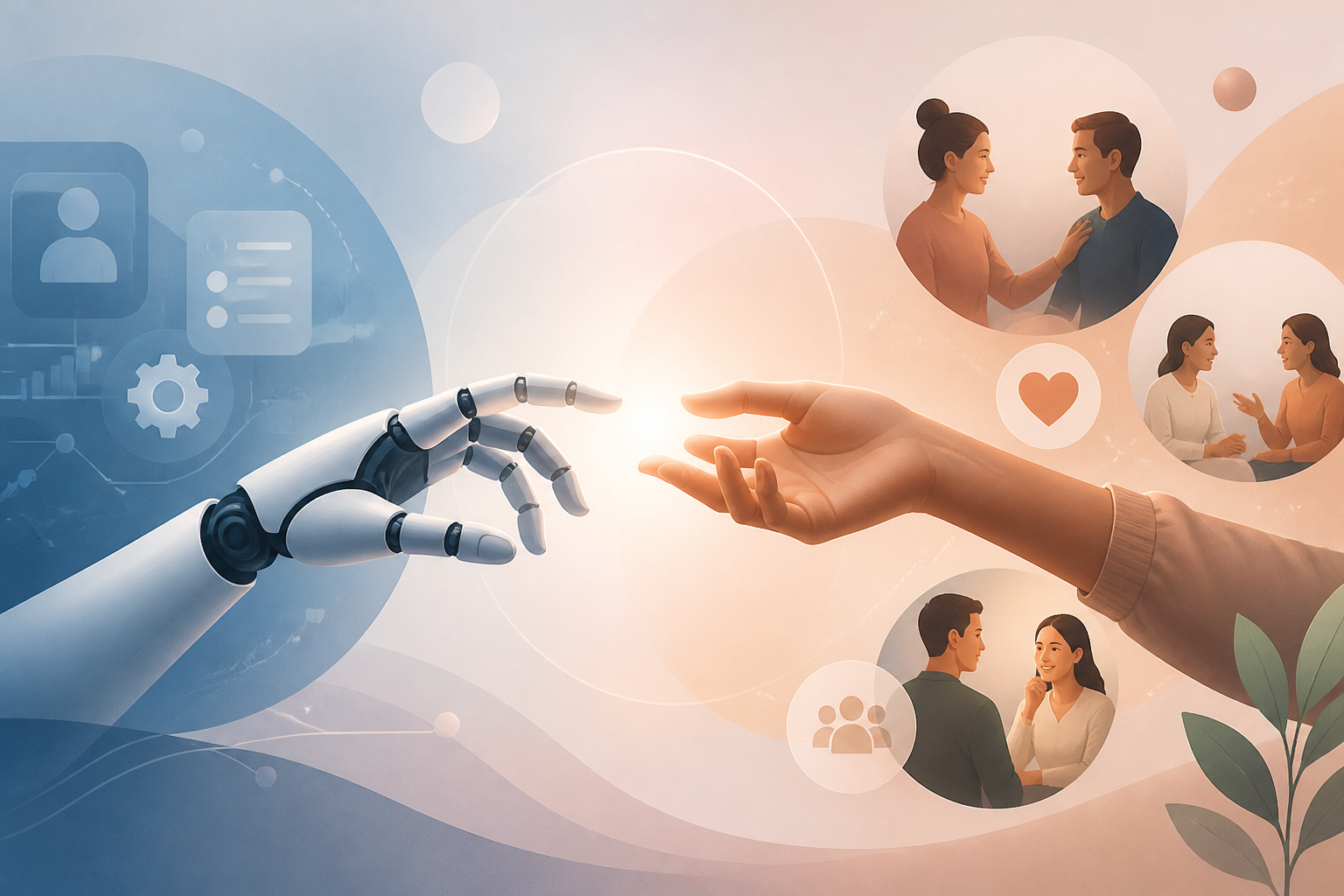
Artificial intelligence can dramatically improve relationship management. It helps organize information, summarize conversations, and identify new opportunities. But these powerful tools require careful and thoughtful use. The goal of AI is not to replace relationships. It is to support them.
You should never automate the core human elements of a relationship. This includes building genuine trust, showing empathy, and having authentic, personal conversations. AI should be used as a tool to support these connections, not replace them.
AI-powered relationship management is the use of intelligent software to handle administrative tasks so you can focus on people. The most effective organizations use AI to eliminate busywork. This preserves time and energy for genuine human interaction. Technology should strengthen relationships, not create distance.
Why Should Some Tasks Remain Human?
Building strong, lasting relationships depends on qualities that machines cannot replicate. Trust, empathy, and authenticity are fundamentally human activities. Automating them can damage connections instead of strengthening them.
Trust is Earned, Not Coded Trust is the foundation of any significant relationship. It is built through consistency, reliability, and shared vulnerability over time. People trust others when they feel seen and understood. An AI can analyze data to predict behavior. But it cannot share a personal story to build rapport. It cannot make a judgment call based on intuition. Automating critical moments of trust-building can make your interactions feel transactional and hollow.
Empathy Requires Emotional Connection Empathy is the ability to understand and share the feelings of another person. It involves listening actively and reading between the lines. It's noticing a slight hesitation in someone's voice. It's understanding the context behind their words. AI can process language, but it cannot process emotion in a human way. An automated "I understand how you feel" message rings false because a machine cannot truly feel. Genuine empathy creates a safe space for open communication.
Authenticity Builds Real Connections People can easily spot a generic, automated message. Authenticity means showing up as your true self. It's about personalizing your communication beyond just a name tag. It involves referencing past conversations, remembering small details, and tailoring your message to the individual. While AI can help you remember those details, the delivery must be genuinely yours. Over-automation strips away the personal touches that make interactions memorable and meaningful.
What Tasks Can AI Safely Automate?
The true power of AI in relationship management lies in its ability to act as a brilliant assistant. It can handle the repetitive, time-consuming tasks that drain your energy. This frees you to focus on the high-value, human-centric work.
Here are tasks that are perfect for AI automation:
- Data Entry and Organization: AI can automatically log calls, emails, and meetings in your CRM. It can update contact information and organize your network without manual effort.
- Conversation Summaries: Instead of re-listening to a long call, AI can generate a concise summary with key points and action items. This helps you quickly recall important details before your next interaction.
- Intelligent Reminders: AI can track the cadence of your communication. It can remind you to follow up with a key contact you haven't spoken to in a while. It can also suggest relevant "icebreakers" based on their recent activity or interests.
- Opportunity Spotting: AI can analyze communications to flag keywords that signal an opportunity. Phrases like "exploring new options" or "frustrated with our current provider" can be surfaced automatically, allowing you to respond proactively.
- Scheduling and Coordination: Finding a time to meet can involve endless back-and-forth emails. AI scheduling tools can handle this entire process, syncing with everyone's calendar to find the perfect slot.
By delegating these tasks to AI, you gain back valuable time. You can use that time to prepare for meetings, think strategically, and engage in more meaningful conversations.
How Can You Strike the Right Balance?
A successful strategy combines human judgment with intelligent automation. This approach helps create stronger and more sustainable connections. The key is to use a "Relationship Operating System" that understands this distinction. It should be designed to support human connection, not simulate it.
A well-designed system, like Simple CRM AI, handles the administrative burden for you. It takes care of notes, reminders, and data organization. It can even provide suggestions to enrich your conversations. This allows you to dedicate your full attention to the human moments that build trust and rapport.
Think of AI as your co-pilot. It manages the instruments, checks the flight plan, and watches for turbulence. This allows you, the pilot, to focus on flying the plane and navigating the complexities of the journey. You remain in command of the relationship, but you are supported by powerful technology.
What Are Practical Steps to Implement This Balance?
Adopting an AI-assisted approach doesn't have to be complicated. Follow these practical steps to integrate AI into your workflow while keeping your relationships human-first.
-
Audit Your Current Workflow: Start by mapping out your daily and weekly tasks. Separate them into two columns: "Relationship Building" (e.g., strategic calls, creative problem-solving) and "Administrative Work" (e.g., updating records, scheduling, writing meeting notes). This visual map will reveal where your time is going.
-
Identify Prime Automation Targets: Look at your "Administrative Work" column. The most repetitive and rule-based tasks are perfect candidates for automation. Start with low-hanging fruit like data entry or call logging.
-
Define Your "Human-Only" Zones: Clearly define which interactions will never be automated. These are the moments that matter most. Examples include the first contact with a new person, handling a customer complaint, celebrating a major milestone, or having a difficult conversation. Protect these moments fiercely.
-
Choose Tools That Empower, Not Replace: Select AI software that is designed to be an assistant. Look for features that provide summaries, reminders, and insights—not tools that promise to "run your relationships for you." The goal is to get information that helps you be more prepared and personal.
-
Review, Refine, and Stay Authentic: Technology is not a "set it and forget it" solution. Regularly review your process. Are your AI-generated drafts starting to sound robotic? Are you relying too much on automated follow-ups? Always add a personal touch before hitting "send." Ask for feedback from your contacts to ensure your communication feels genuine.
By following these steps, you can harness the efficiency of AI without sacrificing the authenticity that builds great relationships.
Key takeaways
- Never automate the core elements of human connection: trust, empathy, and authentic conversation.
- Use AI as an assistant to handle administrative tasks like data entry, scheduling, and summarizing notes.
- AI's role is to free up your time and energy for high-value, human-to-human interactions.
- Define "human-only zones" for critical relationship moments to ensure they remain personal.
- Choose tools that support your judgment and provide helpful insights, not replace your role.
- Regularly review your automations to ensure your communication always feels genuine and personal.
FAQ
Can AI write my emails for me?
AI can generate drafts for common emails, which can save you significant time. However, you should never send an AI-generated email without reviewing and personalizing it first. Add specific details from past conversations, adjust the tone to match your personality, and ensure the message is relevant to the recipient. Use AI for the first 80%, but always add the final 20% of human touch.
Will AI make my relationship-focused job obsolete?
No, but it will change it. AI automates the low-value, administrative parts of jobs like sales, account management, and networking. This shift elevates the importance of human skills. Professionals who excel at empathy, strategic thinking, creative problem-solving, and building genuine rapport will become even more valuable. AI handles the "what," freeing you to focus on the "why" and "how."
What is the biggest mistake people make with AI in relationship management?
The biggest mistake is over-automation. Believing that AI can manage a relationship on your behalf leads to generic, impersonal communication that can alienate contacts. For example, sending a series of automated, identical follow-up emails without any personalization can damage a relationship you've worked hard to build. The goal is to assist, not abdicate. Always remember that technology is a tool to serve the relationship, not the other way around.
Related articles
Try Simple CRM AI free
A dedicated AI agent for every client — follow-ups, reminders, and insights handled for you.
Start Free Trial